

The Car Is Collateral. But Can We Still Find It?
September 28, 2026
Canadian Lenders Association

Abstract: A car loan begins with two assumptions: the borrower is who they say they are, and the vehicle will remain available if the loan fails. Synthetic identities, fraudulent financing, illegal exports and abusive repair and storage liens are testing both assumptions. Ahead of the Canadian Lenders Association’s Automotive Financing Roundtable on October 6, lenders need to look beyond the application and ask a harder question: how well can we trace, protect and recover the asset throughout the life of the loan?
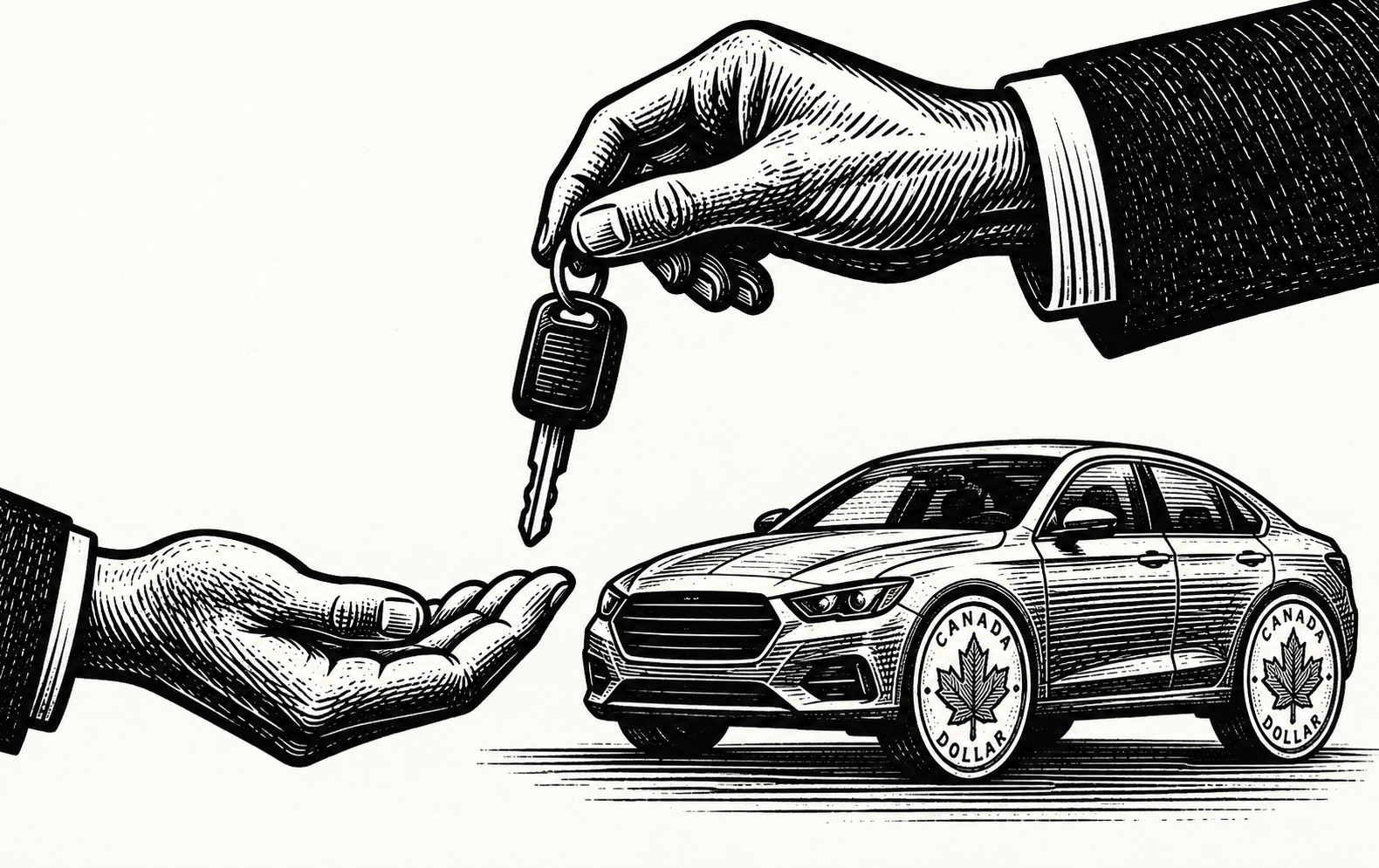
A lender can approve a loan against a vehicle it has never seen. That is a routine part of automotive finance. The lender verifies the applicant, registers its interest and relies on the car as security. Each step has a purpose. Yet a convincing credit file can belong to a person who does not exist, a registered lien cannot stop a vehicle from leaving the country if nobody checks it, and a recoverable car can become uneconomic to recover when another lien appears.
These are often treated as separate problems. Fraud belongs to the application team. Vehicle exports belong to law enforcement. Repair and storage liens belong to collections and legal. From the lender’s perspective, they are connected by a single question: what is the security worth if we lose the ability to identify the borrower, locate the vehicle or take possession of it at a reasonable cost?
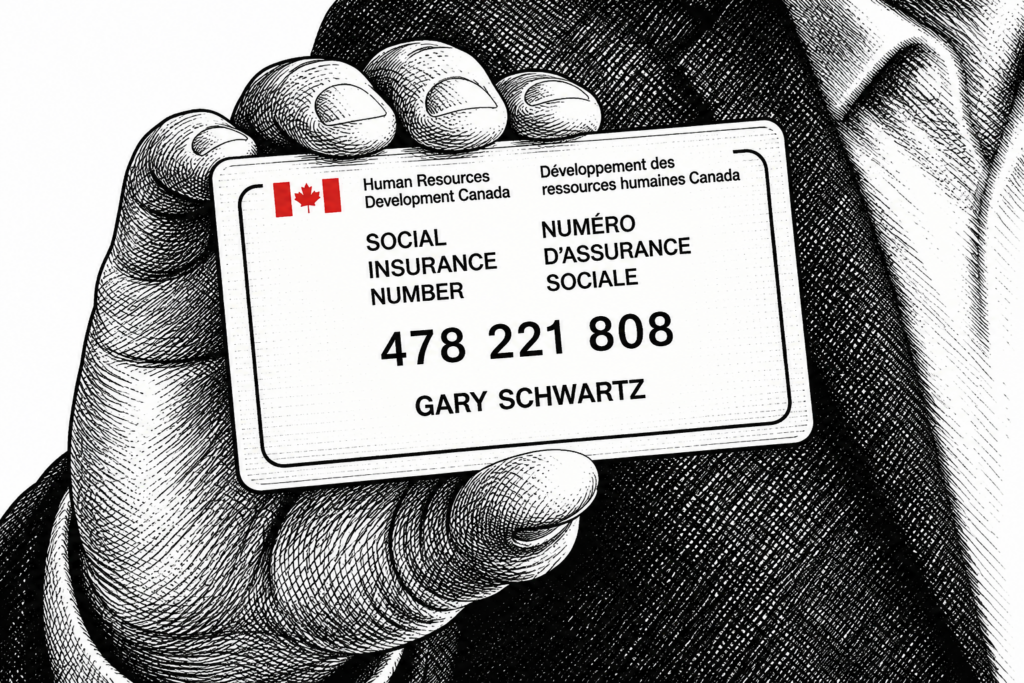
The warning begins at origination. Equifax Canada found automotive fraud up 54 per cent year over year as of the second quarter of 2024, driven largely by falsified applications and identity theft. It also found that synthetic identities rose from 2.8 per cent to eight per cent of fraudulent credit applications across products. That second figure is not an auto-specific rate, but it shows why lenders should look beyond whether an applicant has a plausible credit file. Automotive lenders face misrepresentation by real applicants as well as fraud involving identities that have been assembled to look real.
Synthetic fraud is difficult because a credit file may look more reassuring as the scheme matures. TransUnion Canada has warned that fraudsters can build apparently legitimate borrowing histories before defaulting, leaving the resulting loss classified as bad debt. If we record every failed loan as a credit decision gone wrong, we may never learn how many were fraud decisions we failed to recognize.
Our American counterparts are seeing familiar tactics. The American Financial Services Association points to U.S. research estimating $10.4 billion in auto lending fraud exposure in 2025, up from $9.2 billion in 2024. Those are U.S. estimates of exposure, not Canadian losses. AFSA identifies synthetic identities, income misrepresentation, credit washing and organized bust-out schemes among the concerns facing its members. The lesson for Canada is not to import an American loss estimate. It is to recognize that a false identity, a manipulated credit record or a compromised dealer transaction can exploit gaps that lenders on either side of the border are trying to close.
Then there is the vehicle itself. Équité Association reported a 72 per cent year-over-year increase in vehicle finance fraud detected at the ports of Montreal and Halifax in 2025. In August 2026, the Canada Border Services Agency reported that Project NoCargo, a joint effort involving police, border officials and financial institutions, had recovered 392 vehicles obtained through fraudulent means, worth an estimated $28 million. Those are vehicles intercepted. They do not tell us how many left Canada before anyone identified the financing as fraudulent.
The timing explains the vulnerability. A vehicle can be purchased with a stolen or synthetic identity, financed through ordinary channels and moved toward export while the loan still appears current. A lender may have registered its security correctly and still discover the problem only after the car has gone. A lien provides a legal claim; it does not, by itself, give border officials timely knowledge that the transaction behind the vehicle was fraudulent.
This is where cross-border work can become practical. In April, the CLA and AFSA announced a collaboration focused on synthetic identity fraud, credit washing, organized financial crime and better use of technology. AFSA brings vehicle finance companies, credit bureaus and law enforcement into discussions about synthetic identities, and has a forum focused on title and registration fraud. Together, we can compare the warning signs our members see, examine where verification fails and improve how actionable information reaches the people who can prevent a loss.
Not every vehicle affected by fraud leaves the country. Fraud can also surface when a lender tries to recover one in Ontario. The Repair and Storage Liens Act gives repairers and storage operators legitimate rights to be paid, but an inflated or false claim can be used to hold a financed vehicle and demand payment before its release. The lender must determine what work was authorized and performed, whether storage charges are justified and whether the lien is valid, all while recovery costs rise. The CLA is working closely with the Ontario government to modernize the Act so legitimate claims remain protected and abusive ones are easier to identify and challenge.
There is a reason to get this right beyond reducing losses. A lender that cannot distinguish a thin credit file from a synthetic one may respond by tightening credit for everyone. A lender uncertain of recovery costs will price that uncertainty into its loans. Better fraud detection and fair access to credit depend on the same thing: more reliable information at the moments decisions are made.
That is the work I hope we can advance at the Canadian Lenders Association’s Automotive Financing Roundtable on Tuesday, October 6. We need to understand where information stops moving: between dealer and lender, between fraud and collections teams, between provincial lien systems, and between secured creditors and the authorities responsible for vehicle exports. Our work with Ontario on the RSLA can turn that discussion into clearer notice, more transparent claims and fairer recovery rules. The Roundtable brings these questions into one conversation while each lender makes its own independent commercial decisions.
The car is supposed to secure the loan. That promise holds only if we know who acquired it, where it is, what other claims have been made against it and whether we can recover it. Automotive finance has the expertise to answer those questions. Now we need the systems and rules to let the answers arrive in time.
Five key points
- Synthetic identities can mature into credible credit files, and the resulting defaults may be recorded as credit losses rather than fraud.
- Fraudulently financed vehicles can be exported before lenders and authorities identify the problem.
- Abusive repair and storage claims can raise the cost of recovering a vehicle that remains in Canada.
- The CLA is working with the Ontario government to modernize the RSLA through clearer rules, greater transparency and stronger notice protections.
- Better information across the life of a loan can reduce fraud and recovery uncertainty while protecting access to credit.












 Event Insights