When Delinquency and Valued Partnerships Collide
November 12, 2026
Brett Finell O’Brians Automotive

Summary: When auto loan delinquencies rise, lenders have an obligation to respond. All too often, the reaction is to terminate the perceived cause of that delinquency. A better strategy may be to find and fix the source of the risk. A late payment is an outcome; it does not establish whether the cause was an origination problem, lender policy or an economy that changed after approval. Productive automotive partners should be informed, retrained and evaluated before they are removed. Preserving partnerships that can still benefit the lender is disciplined risk management. Not all displaced business will simply move to another dealer.
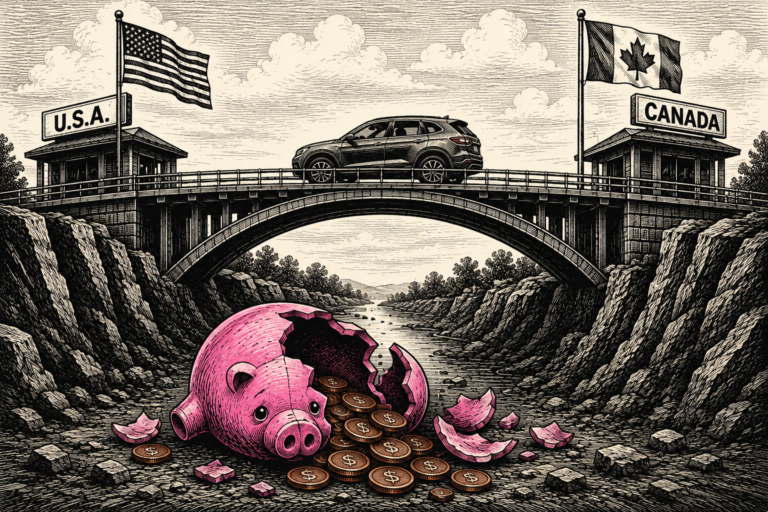
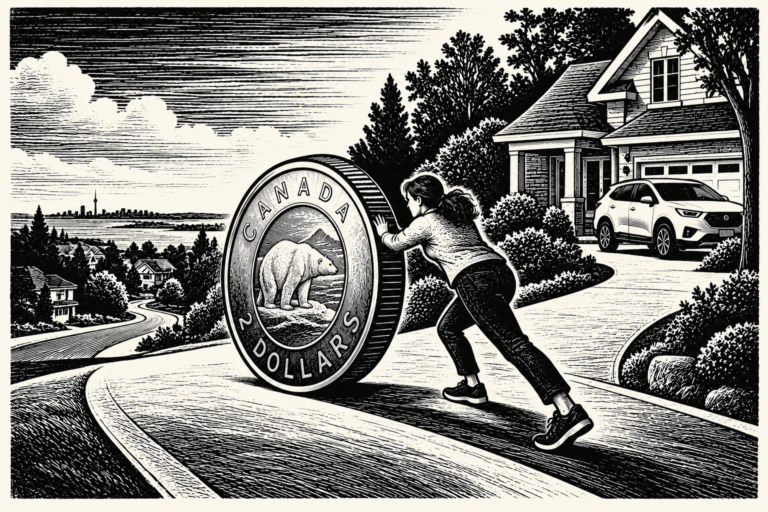
The pressure is real. The Bank of Canada’s 2026 Financial Stability Report identifies economic or geopolitical developments that could cause a downturn and a sharp rise in unemployment as the main risk to household finances. Continued geopolitical instability and uncertainty in Canada’s trade relationship with the United States make that risk especially relevant. These pressures could weaken employment and affect borrowers’ ability to meet existing debt obligations.
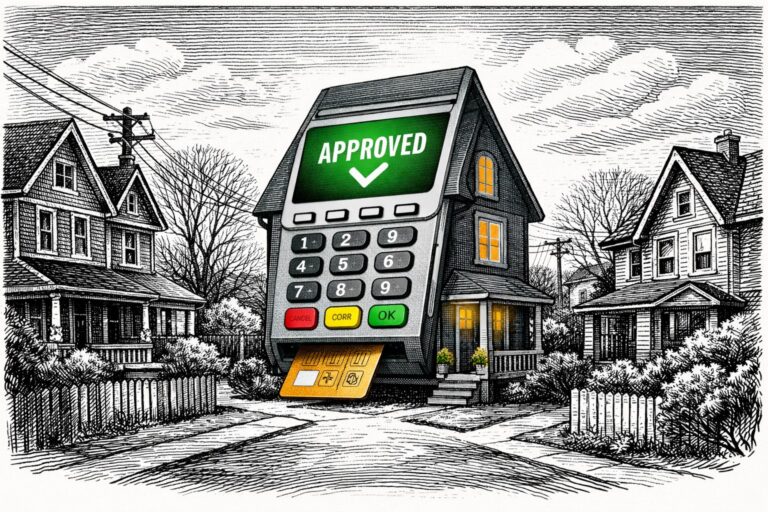
TransUnion’s Q2 2026 review reported deterioration in serious consumer delinquency concentrated in Alberta, Saskatchewan and Ontario, despite broadly resilient national credit performance. Lenders generally tighten monitoring when those signals worsen. But they should not assume that removing a dealer is the only way to reduce delinquency. When deterioration is driven partly by broader economic conditions, and its cause has not been identified before termination, the lender risks losing a productive customer pipeline without improving the quality of future originations.
A dealer’s book of business must be compared with similar business: the same province, risk tier, origination period, months on book, term, loan-to-value range and vehicle profile. The next step is to distinguish early payment problems from longer-term deterioration. A missed first payment, for example, can point to origination or verification problems. A three-year-old loan falling behind after a job loss may say far more about the economy than the finance managers in the dealership.
Operational evidence belongs in the same review. Documentation errors, funding exceptions, unresolved liens, complaints and proven misrepresentation are variables within the dealer’s control. If a dealer underperforms matched peers and refuses to correct those weaknesses, act on the dealer. Explain what must improve and what is expected. If a strong dealer partner responds by retraining staff and changing processes, measure the new results before discarding the relationship.
If the whole group of comparable dealers deteriorates, revisit the credit policies. A national policy can produce different outcomes in Alberta and Ontario, where reactions to macroeconomic events can differ significantly.
A dealer’s economic contribution to the lender’s book should also extend beyond approvals. Vehicles get repossessed during downturns. When auction values are low and marketplace inventory is high, a guaranteed asset recovery price and a pipeline for selling that collateral can make economic sense.
A dealer buyback program can include a guaranteed bid or first-look offer. That offer can compete against the lender’s expected net recovery after transport, auction, holding and disposal costs. If the dealer’s bid is weaker, use the normal channel. If it is stronger, rejecting it leaves a measurable asset recovery tool unused. Clear valuation rules and transparency about vehicle condition keep the comparison honest and beneficial for both parties.
Good dealers do more than submit applications. They find customers, explain lender requirements, correct incomplete files and direct borrowers toward lenders they like and trust. J.D. Power’s 2026 Canada Dealer Financing Satisfaction Study found that dealers place greater value on lenders that act as collaborative partners, an approach associated with higher loyalty and stronger intentions to increase business. Those intentions do not guarantee future funded volume, but they show how relationship quality influences where dealers expect to send their business.
Confidence in their lender relationships encourages good dealers to work each month toward the volume lenders seek, while maintaining business that benefits both parties.
Before exiting, compare two outcomes: the expected loss and compliance risk of continuing under tighter controls, and the expected value of acceptable new loans, recovery options and replacement channel costs. Then ask whether the partner has the leadership, systems and willingness to improve. Tenure and volume should never excuse poor performance. A proven record of responding to lender direction should count when retraining can create a better risk-adjusted customer pipeline.
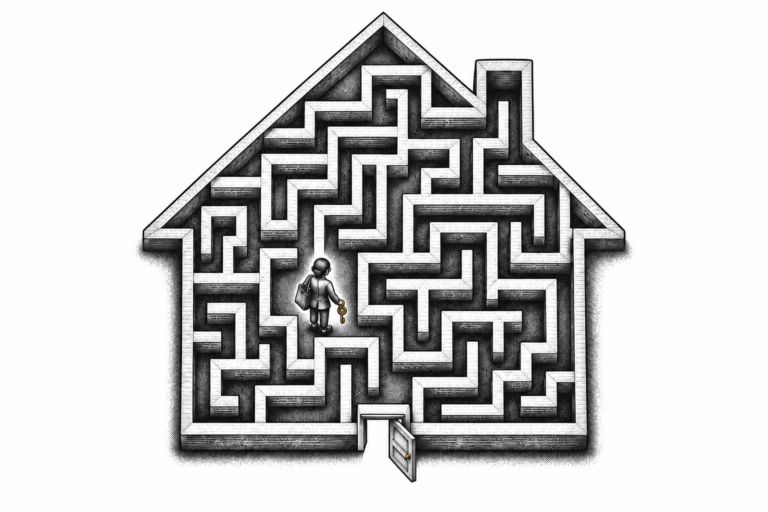
A rising delinquency rate should trigger an analysis of the portfolio. Compare apples to apples. Tell the dealer exactly what is failing. Retrain the people and repair the process where it makes sense. A good dealer that responds should be treated as part of the solution and retained where improvements can be measured. If it does not improve, restrict or exit.
Loyalty should be earned and based on evidence. But abandoning a capable partner before providing the information needed to improve can destroy a customer pipeline that the lender will have to rebuild somewhere else. Not all franchise dealerships can meet the volume requirements or serve the full range of borrowers in the market.
Ask your staff on the ground one simple question: Is this dealer better than most? If the answer is yes, ask whether exiting the relationship makes sense over the long term.
Five Key Points
- A delinquency rate is a warning signal, not proof of dealer responsibility.
- Compare matched loans across comparable dealers before assigning cause or changing a relationship.
- Separate early payment failures from later borrower stress and regional economic effects.
- Inform and retrain responsive dealers before ending productive relationships.
- Evaluate dealers as customer pipelines and potential recovery partners, then retain, restrict or exit based on measured results.