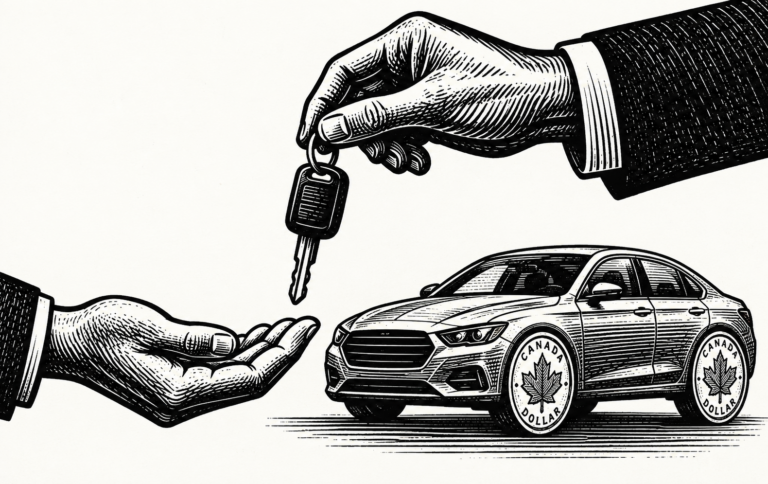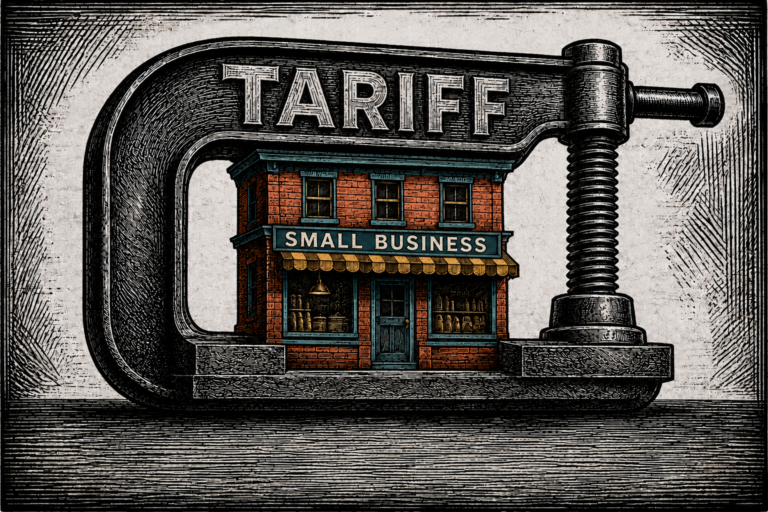


Will Canada be awash with Chinese EVs?
What this actually means for manufacturers, dealers, and lenders
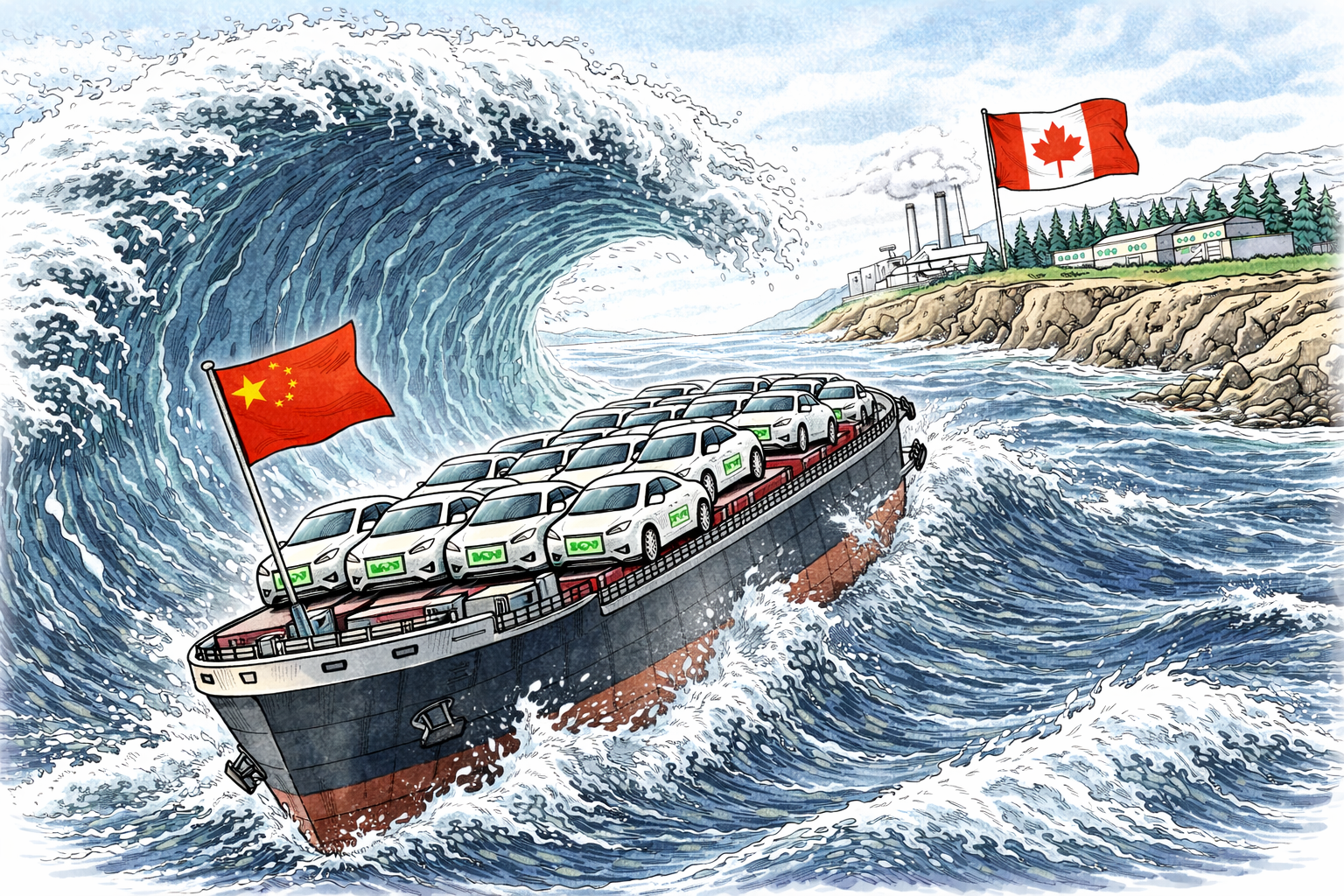
The federal government says it has made a modest, pragmatic trade adjustment. Prime Minister Mark Carney’s decision to allow a seemingly small number of China-made electric vehicles into Canada at a sharply reduced tariff has been framed as pro-consumer and tightly limited in scope. What does it actually means for manufacturers, dealers, and lenders?
As the Prime Minister wraps up his visit to Beijing, the key question for Canada’s automotive sector is a practical one: what does this actually mean for manufacturers, dealers, and lenders on the ground?
The government’s position is straightforward. The initial allowance of 49,000 vehicles represents roughly 2 to 3 percent of Canada’s annual auto sales, which total close to two million units. In isolation, that number may not look disruptive. It may look negligible.
But for the auto industry and automotive finance, the aggregate number misses the point.
Those 49,000 vehicles represent a much larger share of the EV segment, where pricing benchmarks, residual values, and consumer expectations are still being established. In early-stage segments, even small volumes can reset market assumptions, particularly when those vehicles arrive with aggressive pricing and state-backed cost structures.
There is also the issue of trajectory. According to reporting by the Associated Press, the quota could rise to 70,000 vehicles over five years. What is presented today as “limited” begins to look more like a foothold. In automotive markets, momentum matters as much as volume.
From the perspective of Canada’s auto industry and the Canadian Lenders Association automotive community, the first impacts will not show up on the assembly line. They will show up on balance sheets.
Auto finance depends on predictability
- Predictable residual values
- Predictable dealer economics
- Predictable policy frameworks
When volatility increases, lenders respond rationally. Underwriting tightens. Lease terms shorten. Risk premiums rise. Marginal borrowers lose access. A policy positioned as improving affordability can, through risk transmission, end up reducing access to credit.
Manufacturers face a related challenge. Over the past decade, Canada has worked hard to attract billions of dollars in OEM, battery, and supply-chain investment. Those decisions were made on the assumption that Canada was a stable, aligned node in a North American auto system, governed by common tariffs, rules of origin, and trade discipline with the United States.
Opening a preferential channel for China-made EVs without clear requirements to invest in Canada or use Canadian content sends a signal that the rules may be more flexible and uncertain than investors expected.
In auto markets, policies that look manageable on paper can become disruptive once they affect vehicle values, dealer stability, jobs, and access to credit.
Four protections Ottawa should put in place
- Require companies to make real investments in Canada, not just promises.
- Put automatic safeguards in place if pricing, vehicle values, or jobs are harmed.
- Stay clearly aligned with U.S. and North American trade and security rules, especially for connected vehicles.
- Publish transparent data on volumes and market impacts so lenders and manufacturers are not left guessing based on headlines.
By the time this trade wave recedes, the consequences will already be reflected in credit decisions, investment flows, and market structure.
For the automotive finance community, that is not a theoretical concern. It is a near-term risk worth debating openly, especially as the sector gathers to discuss risk, capital, and resilience at Automotive Finance Canada 2025.