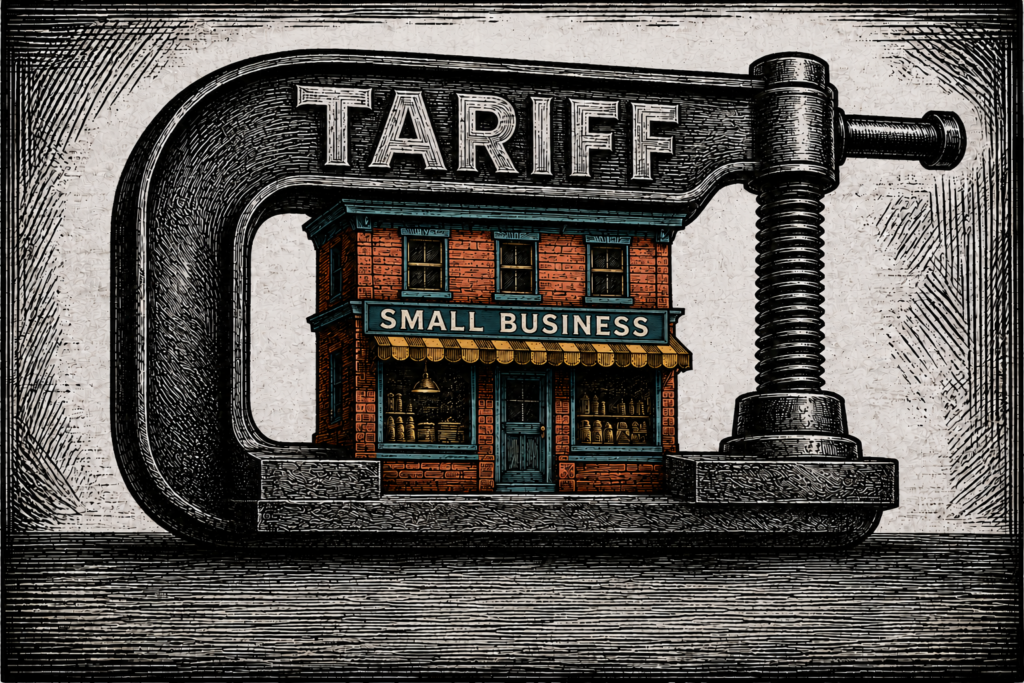

Kitchen Commerce: The New Battle for Home-Improvement Finance
March 31, 2026

Kitchen Commerce: The Battle for Home-Improvement Finance
How embedded credit, dealer origination, and household stickiness are reshaping one of Canada’s most important lending markets
Abstract: Canadian home-improvement finance is no longer mainly about the equipment installed in the home. It is about controlling the financing moment when a household must act quickly and decide how to pay. That moment, increasingly embedded in dealer, contractor, and retail workflows, is becoming one of the most important battlegrounds in consumer lending. The firms that win will not simply provide capital. They will create stickiness inside the household and turn a single financed purchase into years of upsell, cross-sell, servicing, and repeat commerce.
Home-improvement finance has quietly become one of the more important embedded-credit markets in Canada. For years, the sector was understood through the products themselves: furnaces, water heaters, HVAC systems, electrical panels, roofing, windows, and other big-ticket home essentials. The commercial logic was straightforward. Sell the equipment, install it, and build a service relationship around the asset.
That model still exists; however, for years the real value sits upstream, at the moment the homeowner must decide how to pay. A furnace fails in winter. A roof starts leaking. A panel upgrade becomes urgent. A heat pump looks attractive because of rebates, energy savings, or rising utility costs. In each case, the question is no longer just which product is being sold. It is who controls the financing conversation at the moment of need.
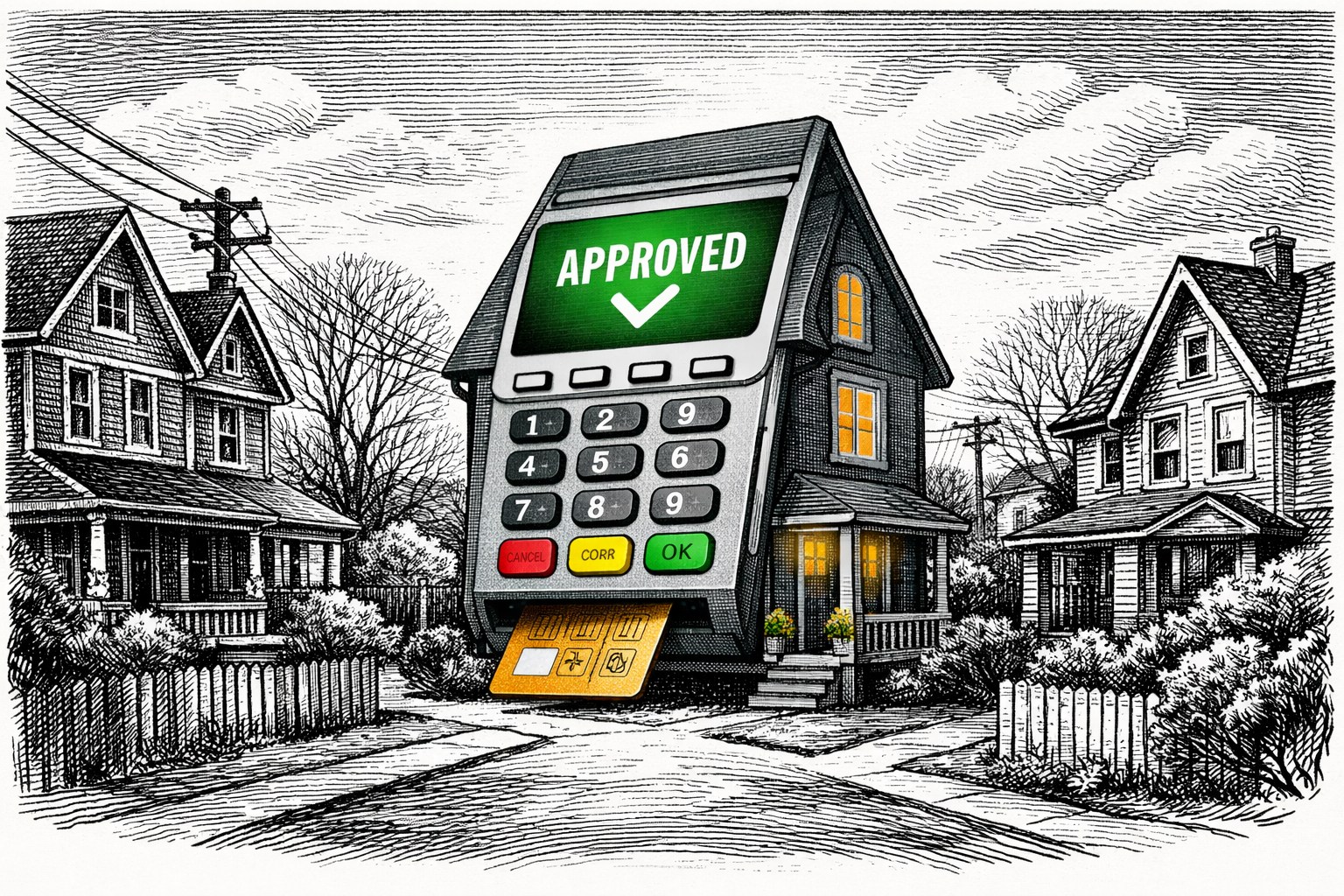
The critical commercial interaction increasingly happens in the home, at the kitchen table, on a contractor’s tablet, or through a digital checkout flow. Credit is no longer merely a supporting feature. It is becoming the mechanism that closes the sale. It turns household urgency into monthly affordability and converts hesitation into action.
This has major implications for lenders. The old model of consumer finance relied more heavily on branches, indirect referrals, general-purpose loans, or lines of credit arranged separately from the purchase itself. The newer model is embedded. Financing is integrated directly into the purchase journey, often through the contractor, dealer, merchant, or platform that first engages the homeowner. That shift gives enormous power to whoever owns the origination rail.
Financeit is the clearest example of how scale is being built in this market. Its acquisition of the consumer loan business of Simply Group was not just another corporate transaction. It reflected a broader truth: the category is consolidating around firms that control distribution and the financing infrastructure behind it. In this business, scale is not just balance-sheet capacity. It is merchant relationships, approval speed, point-of-sale technology, and the ability to be present wherever the purchase begins.
Go Lime shows the other path. Smaller challengers may not dominate by sheer volume, but they can compete by being closer to the consumer, simpler in the offer, and more aggressive in distribution. Expansion into broader retail environments such as Walmart Canada underlines how the category is evolving. The battleground is no longer limited to specialized home-service channels. It is widening into mainstream retail, digital discovery, and any setting where a household begins a home-related buying journey.
This matters because the financing moment does more than complete one transaction. It creates stickiness. Once a platform or dealer helps solve a pressing payment problem, it earns trust, access, and data. From there comes the deeper economic value: warranties, maintenance, repairs, add-ons, adjacent systems, future upgrades, memberships, and service contracts. The first financed sale is not the end of the customer relationship. It is the opening of a longer commercial one.
That is what makes home-improvement finance strategically important. This is not just a narrow vertical within consumer lending. It is a test case for where lending is going more broadly. Distribution is moving closer to the point of need. Underwriting is being woven into the sales process. The lender is becoming less visible as a standalone institution and more powerful as an embedded function within commerce. In many cases, the winner will not be the firm with the biggest consumer brand. It will be the one best integrated into the merchant and contractor ecosystem.
The broader market supports this shift. Home repair and renovation remain large categories of household expenditure, even in a softer economy. And when consumer budgets are strained, the quality of the financing offer becomes even more important. In a cautious market, the payment solution is often the sale. A homeowner may balk at the upfront cost of a replacement or upgrade, but accept the same purchase when it is framed as an affordable monthly payment. Embedded credit does not simply support demand. It unlocks it.
There is also a larger lesson for lenders watching the sector. Brookfield’s purchase of Enercare may not have been a lending deal, but it underscored a durable idea: the home is a valuable economic platform. Serious capital wants exposure to the household because the household generates recurring need and recurring spend. The more interesting fight now is over who gets to intermediate that spend. Increasingly, the answer is not the product manufacturer or even the equipment owner. It is the lender or platform that controls the moment of decision.
The old story was equipment in the home. The new one is credit in the moment. Or better still, kitchen commerce: the battle to turn a household financing decision into a long-term commercial relationship. That is where the next phase of home-improvement finance is being won.
5 Key Points
- The sector has moved from products to payments
The real competitive edge is no longer just selling home equipment. It is controlling how the homeowner finances the purchase when urgency is highest. - Embedded credit is reshaping origination
Home-improvement lending is increasingly being embedded into dealer, contractor, and retail workflows rather than originating through traditional standalone lending channels. - Kitchen commerce creates household stickiness
The initial financed transaction opens the door to years of servicing, warranties, upgrades, maintenance, and cross-sell opportunities inside the home. - Scale now comes from distribution, not just capital
The winners will be the firms that combine funding capacity with merchant reach, fast approvals, and deep integration into the customer journey. - This is a leading indicator for consumer lending more broadly
Home-improvement finance is showing where the market is heading: toward point-of-sale credit, embedded underwriting, and lenders that operate inside commerce rather than beside it.
Sign up for the Real Estate Finance Summit