
Identity Is the New Credit Score
March 15, 2026
Gary Schwartz Canadian Lenders Association

As Synthetic Identity Fraud Grows, Canada Must Rethink the Balance Between Privacy, Verification and Access to Credit
Abstract: This op-ed argues that identity has become one of the most important weaknesses in Canada’s credit system. While lenders and credit bureaus are highly effective at measuring repayment behaviour, they remain less effective at confirming that a borrower is a real, unique person at the point of entry. As synthetic identity fraud grows, the costs are passed through the system in the form of higher prices, tighter underwriting and fewer approvals for legitimate borrowers. The article contends that Canada should take a more practical approach to the Social Insurance Number by allowing it to serve as a verified identity anchor within the credit ecosystem, while still protecting against misuse. Nova Scotia’s Bill 127 is presented as evidence that this debate is now live in Canadian public policy.
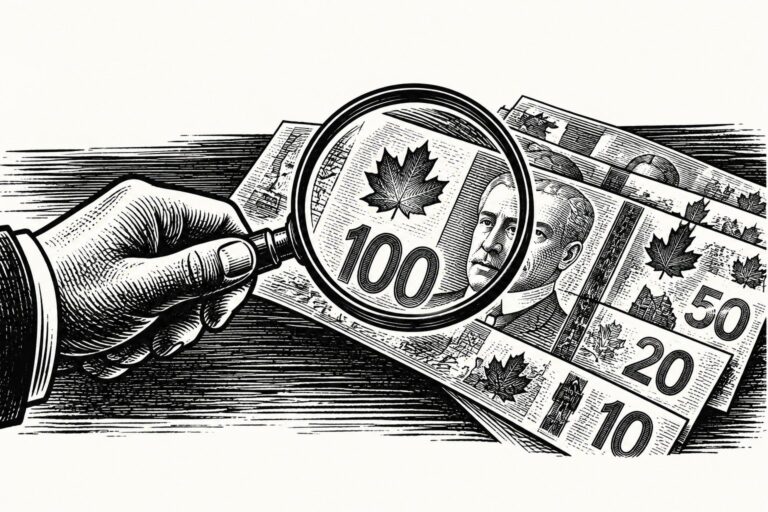
Canada’s credit system has a strange blind spot. It is designed to measure behaviour, not identity. For decades, that distinction did not matter much. Credit bureaus built files over time. Lenders assessed repayment history. Identity checks were relatively simple because fraud operated at a relatively small scale. Those conditions no longer exist.
Today’s fraud economy is organized, patient and increasingly sophisticated. Criminal networks create synthetic identities by blending real and fabricated information. They nurture those identities for months or years, slowly building credit histories before executing coordinated bust-outs that leave lenders, and ultimately consumers, holding the losses.
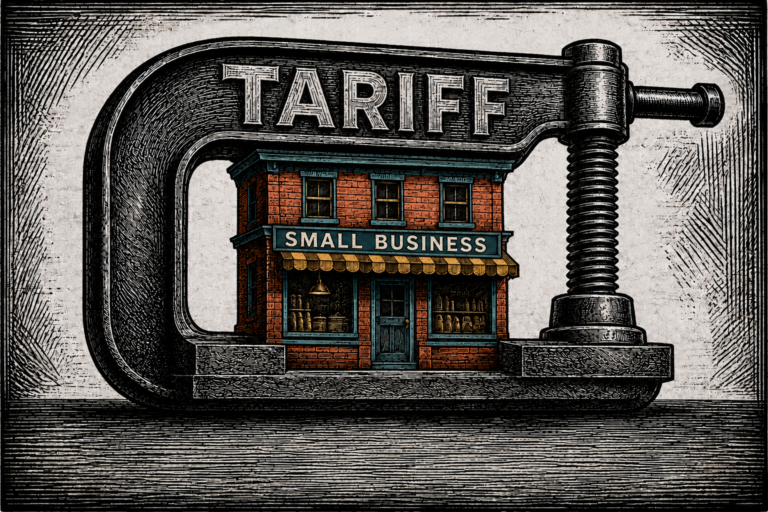
Those losses do not disappear. They are priced back into the system through higher interest rates, tighter underwriting and fewer approvals for borrowers who already struggle to access credit.
In other words, fraud is quietly becoming a tax on every honest borrower.
Canada’s problem is not that it lacks an identity system. It is that the country refuses to use the one it already has.
For years, policymakers have treated the Social Insurance Number with understandable caution. Ottawa has worried about feature creep, the gradual expansion of a national identifier into too many areas of public and commercial life. That concern is legitimate. National identifiers must be handled carefully.
But the world has changed.
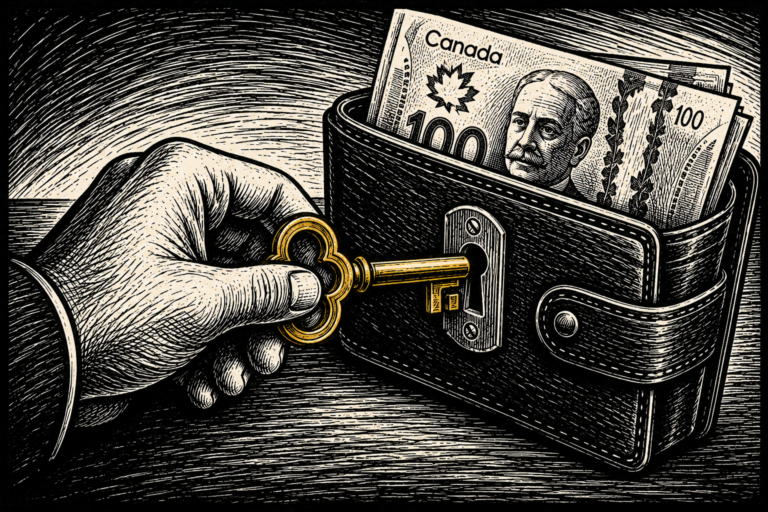
Today, the absence of a reliable identity anchor in credit markets is itself creating risk. Canada’s credit system performs increasingly sophisticated behavioural analysis once an account exists. Yet at the point of entry, where identity should be verified most rigorously, the system still relies on fragmented data points such as names, addresses, birth dates and partial identifiers that are relatively easy to manipulate.
Fraudsters understand this weakness. It is one of the reasons synthetic identity fraud has become such a serious and fast-growing threat.
That debate is no longer theoretical. In Nova Scotia, Bill 127 created the Social Insurance Number Protection Act to curb unnecessary private-sector collection of SINs, and although the legislation received Royal Assent on October 3, 2025, its SIN provisions still await proclamation.
This is the policy tension in plain view. Governments are rightly trying to prevent unnecessary collection of sensitive identifiers. But lenders are also operating in a market where weak identity verification creates real losses, distorts risk pricing and raises costs for legitimate borrowers.
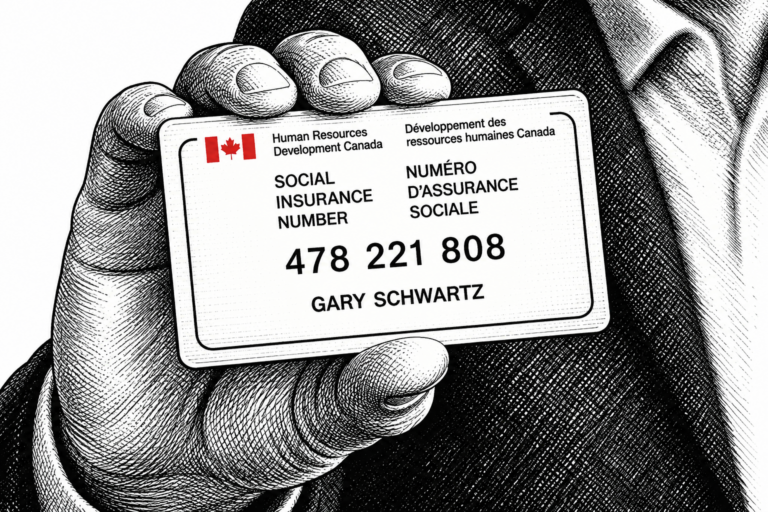
A more pragmatic approach would not turn the SIN into a universal identifier. It would simply allow it to function as a verified identity anchor within the credit ecosystem.
In practice, that means something relatively modest. Once a SIN has been validated for a consumer, credit bureaus could retain that verification as part of the file. Future lenders could then use that verified identifier to confirm that they are dealing with a real person, rather than re-creating identity checks from scratch each time someone applies for credit.
The benefits would be immediate. Synthetic identities would become harder to create. Fraud losses would decline. Credit files would merge more accurately. Lenders could make decisions with greater confidence. Most importantly, honest borrowers would benefit.
Lower fraud means lower costs across the system. When risk falls, pricing improves. When lenders trust the integrity of the file in front of them, approvals can expand rather than contract. The invisible fraud tax embedded in credit products begins to shrink.
None of this requires building a new national identity system. Canada already has the infrastructure. What it lacks is the willingness to adapt old rules to the realities of digital finance and modern fraud.
Ottawa is right to guard against the careless expansion of national identifiers. But policy designed to prevent misuse should not prevent common sense.
Identity is now the front line of financial crime. If Canada wants a safer, cheaper and more inclusive credit market, it should stop treating identity as a peripheral compliance issue and start treating it as core financial infrastructure.
Here is an even tighter closing option if you want more punch:
Canada does not have a credit-scoring problem nearly as much as it has an identity problem. Until that is addressed, honest borrowers will keep paying for a fraud system designed around everyone except them.
5 key points
-
Canada’s credit system measures behaviour better than identity
Credit files and underwriting models are strong at assessing repayment history, but weaker at verifying that an applicant is genuinely who they claim to be. -
Synthetic identity fraud is raising costs for honest borrowers
Fraud losses do not disappear. They flow back into the market through higher rates, stricter lending criteria and reduced access to credit. -
The absence of a reliable identity anchor is now a systemic weakness
Fragmented checks based on names, addresses and birth dates are easier to manipulate, making identity fraud harder to prevent at origination. -
Nova Scotia shows the issue has moved into active policymaking
Bill 127 and the Social Insurance Number Protection Act illustrate that governments are now directly grappling with how to balance privacy protection and legitimate identity-verification needs. -
The solution is not a new ID system, but smarter use of the one Canada already has
The article argues that a validated SIN could function as a secure identity anchor within credit files, helping reduce fraud, improve file accuracy and lower costs across the system.